The Musée des Arts décoratifs is celebrating one hundred years of Art Deco
With the exhibition “1925–2025: One Hundred Years of Art Deco,” the museum highlights a prolific era driven by a thirst for innovation, speed, and freedom.
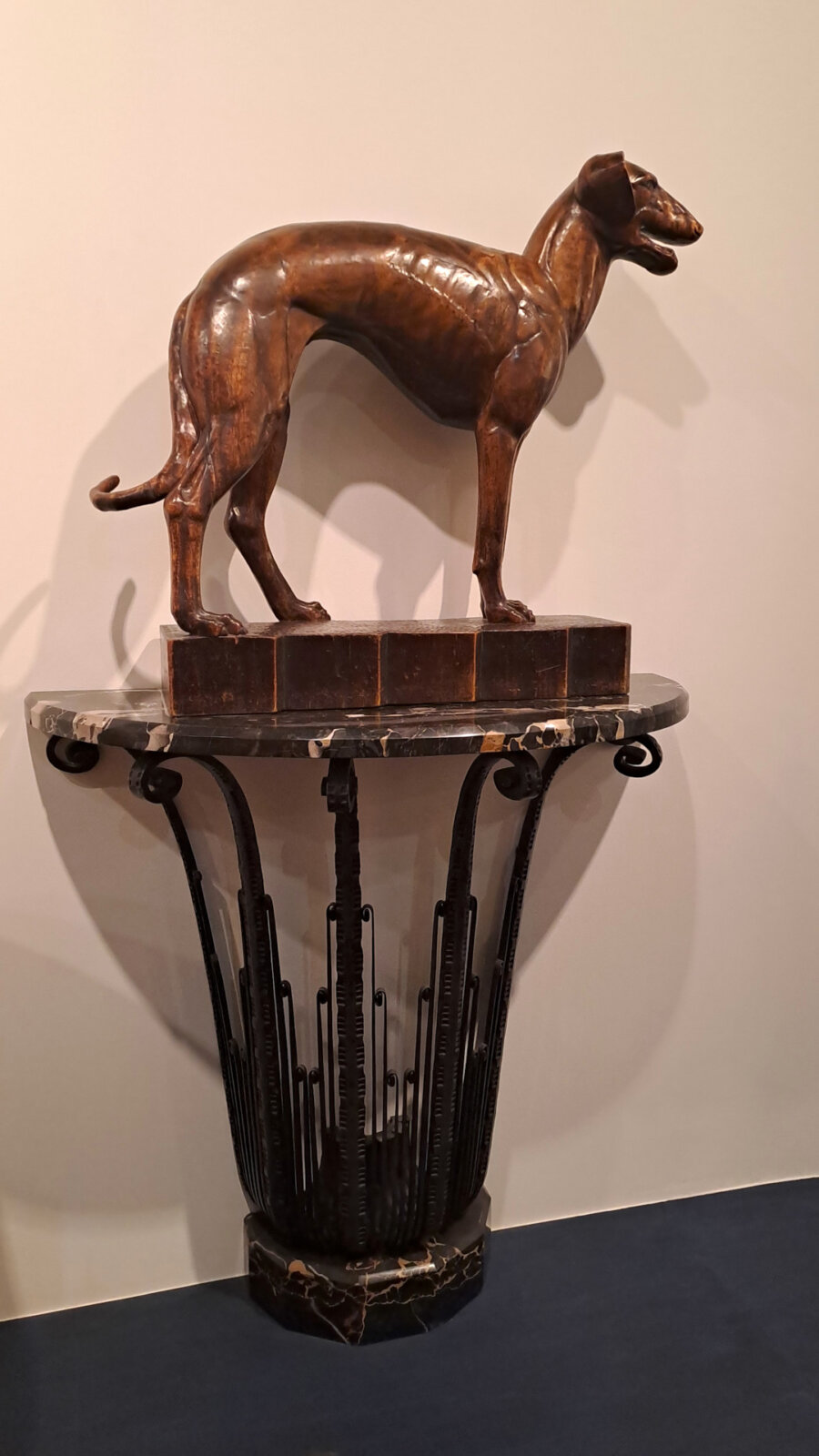
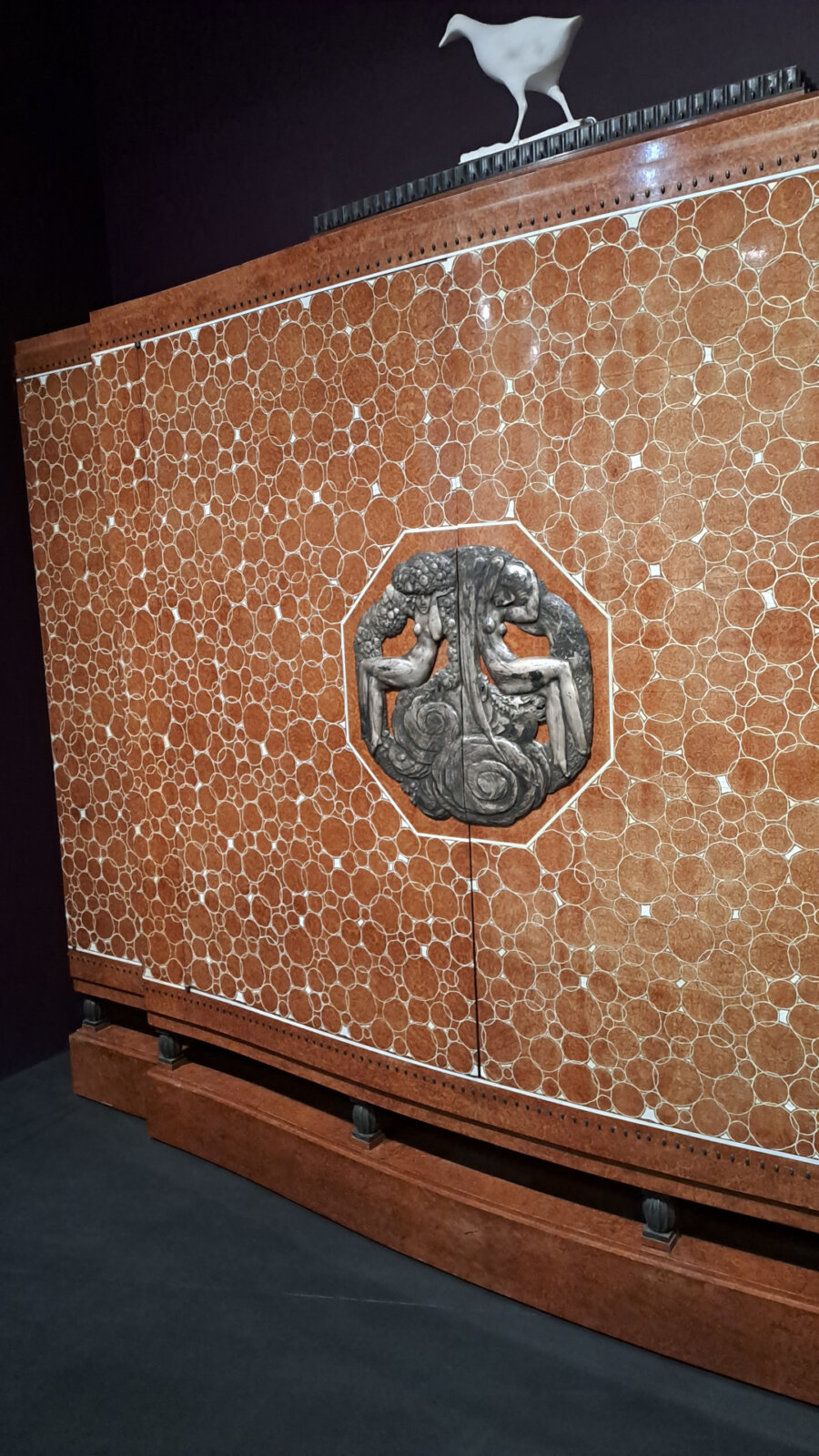
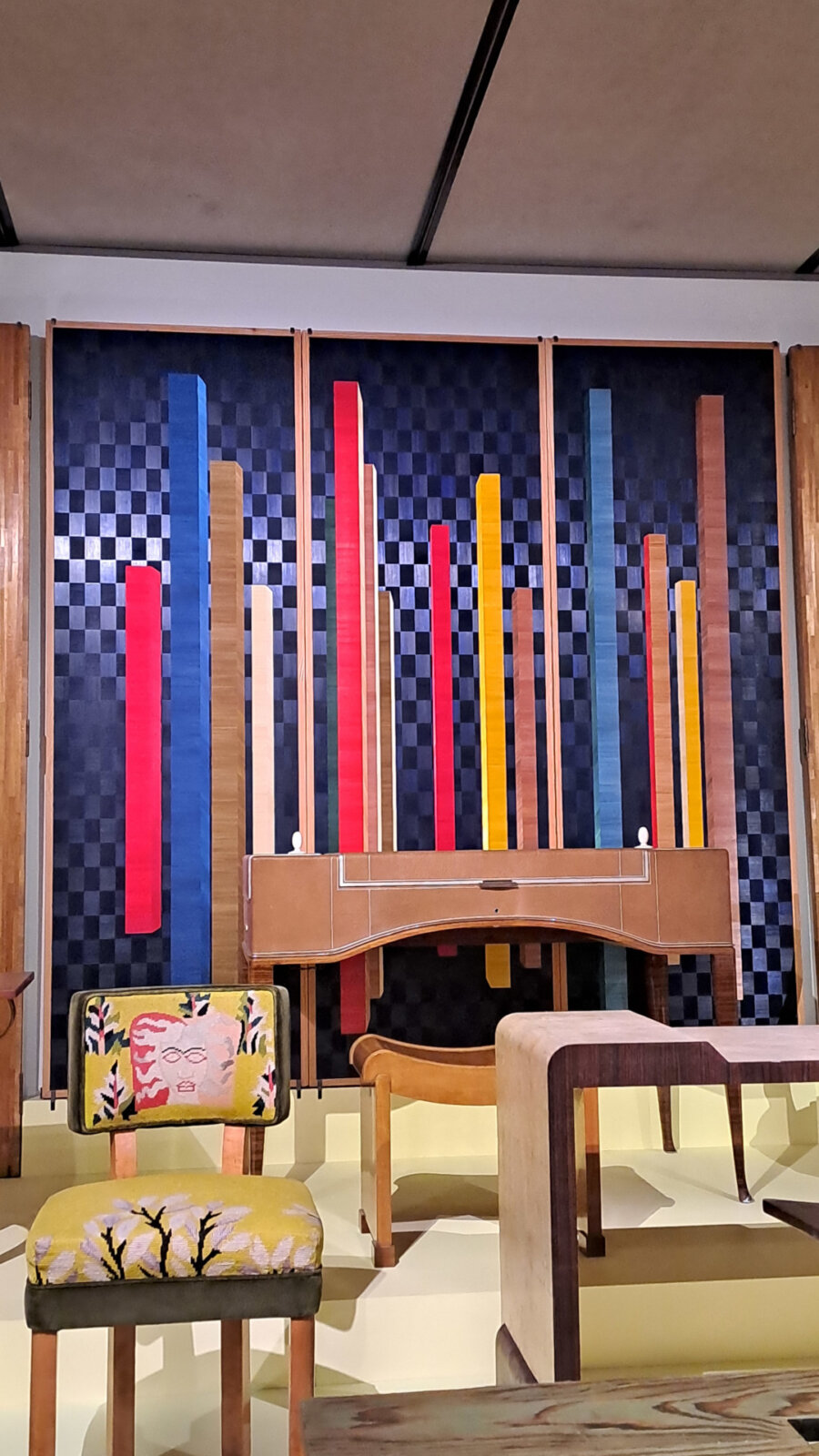
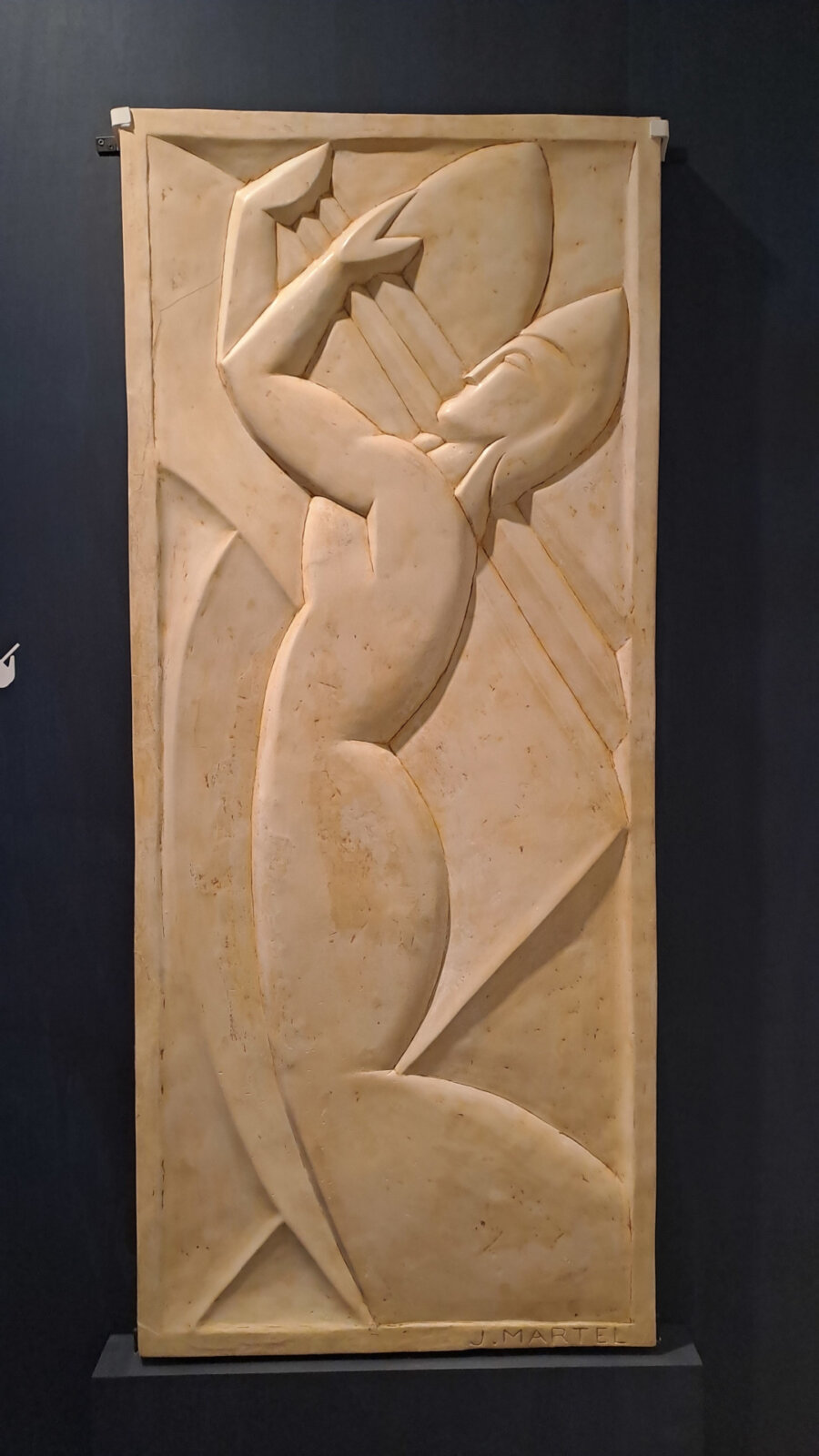
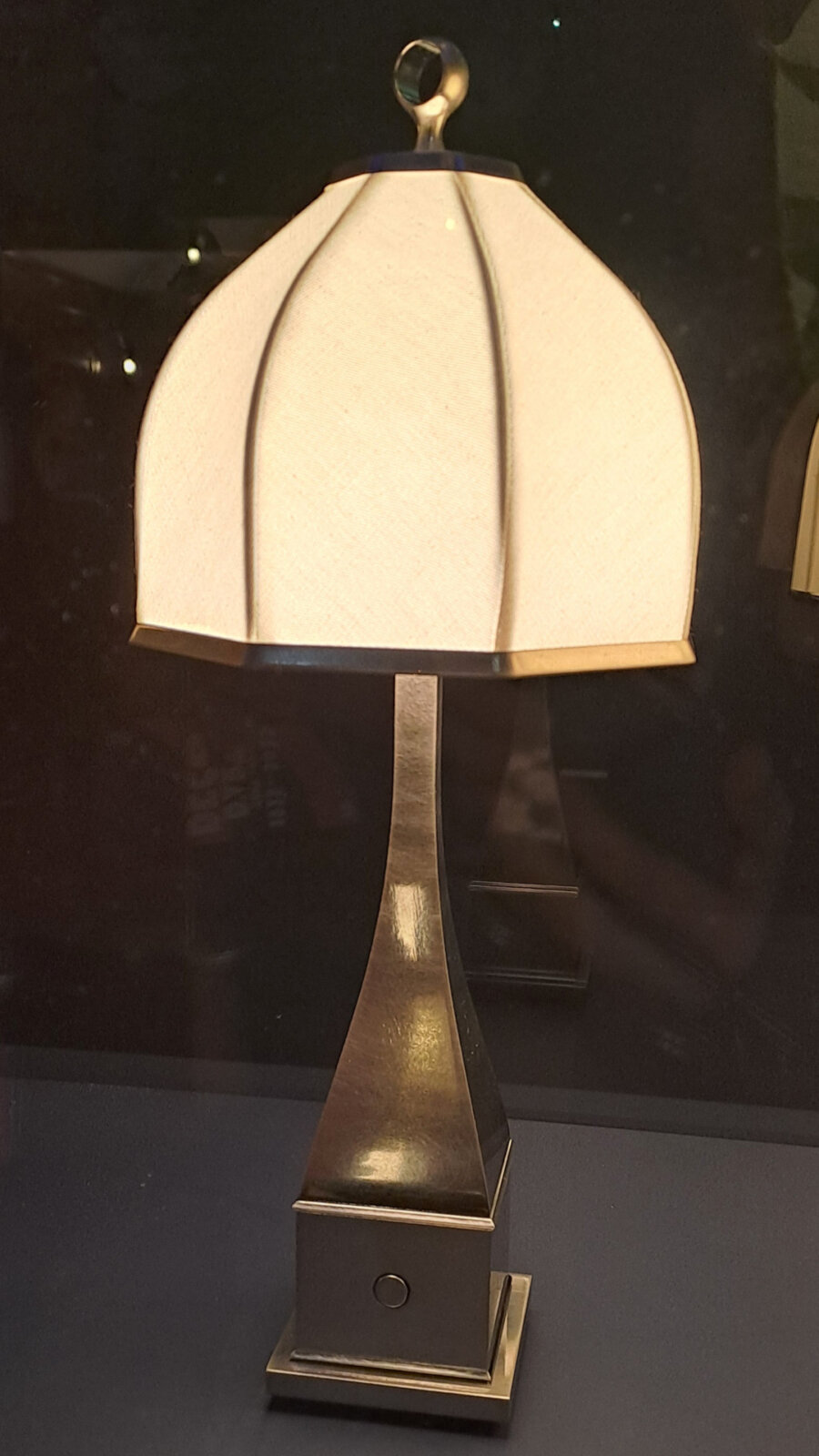
Born in the 1910s, this movement influenced every field of creative expression: furniture, fashion, jewellery, graphic arts, architecture, and transportation. It is distinguished by stylized geometric forms, clean lines, and a structured aesthetic that combines industrial materials — steel, copper, aluminium — with exceptional craftsmanship.
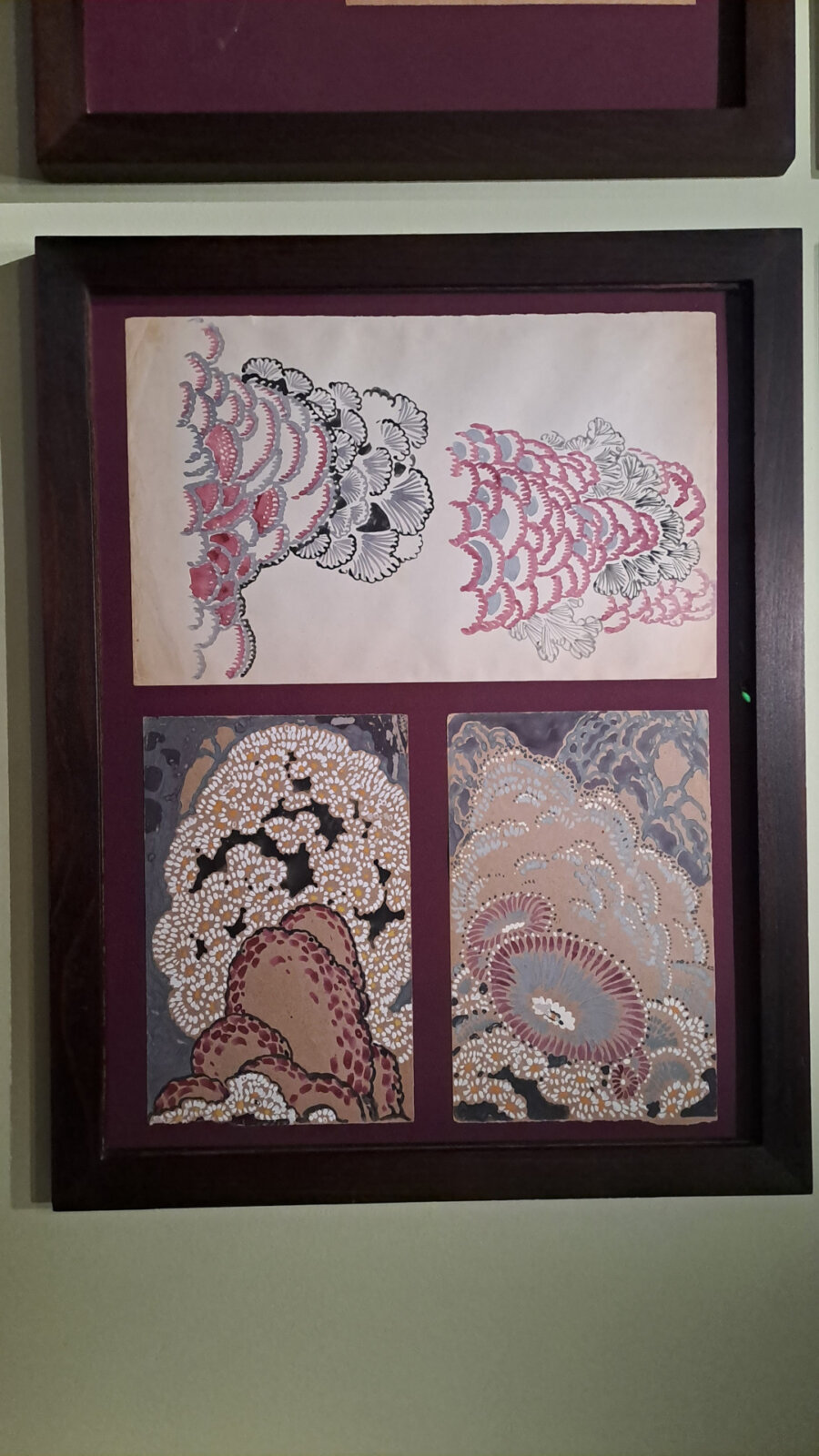
Its decorative vocabulary is instantly recognizable: baskets and floral garlands, stylized bestiary motifs, geometric figures such as the octagon, precious woods like ebony and rosewood, and refined materials and techniques — shagreen, ivory, parchment, lacquer.
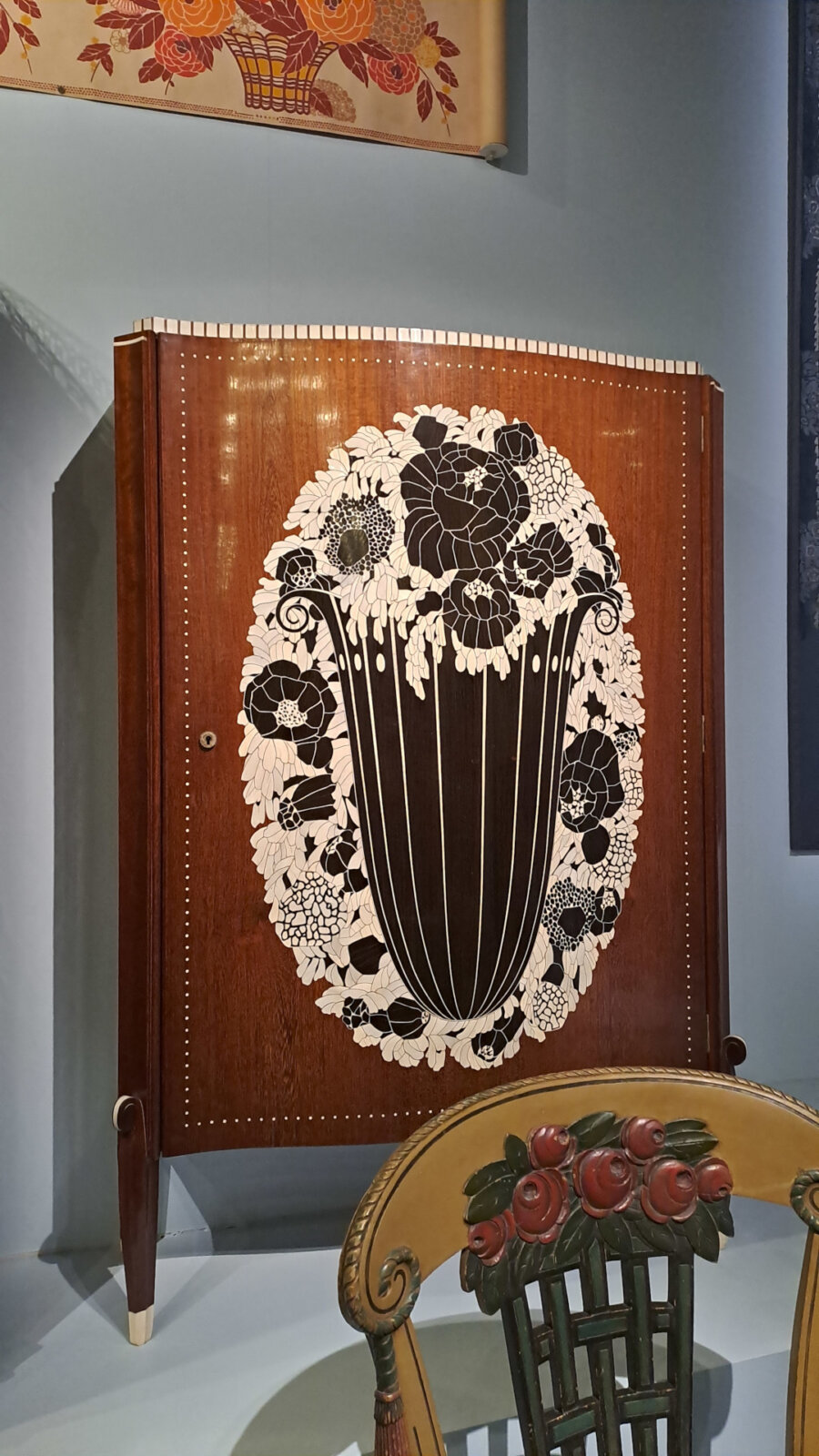

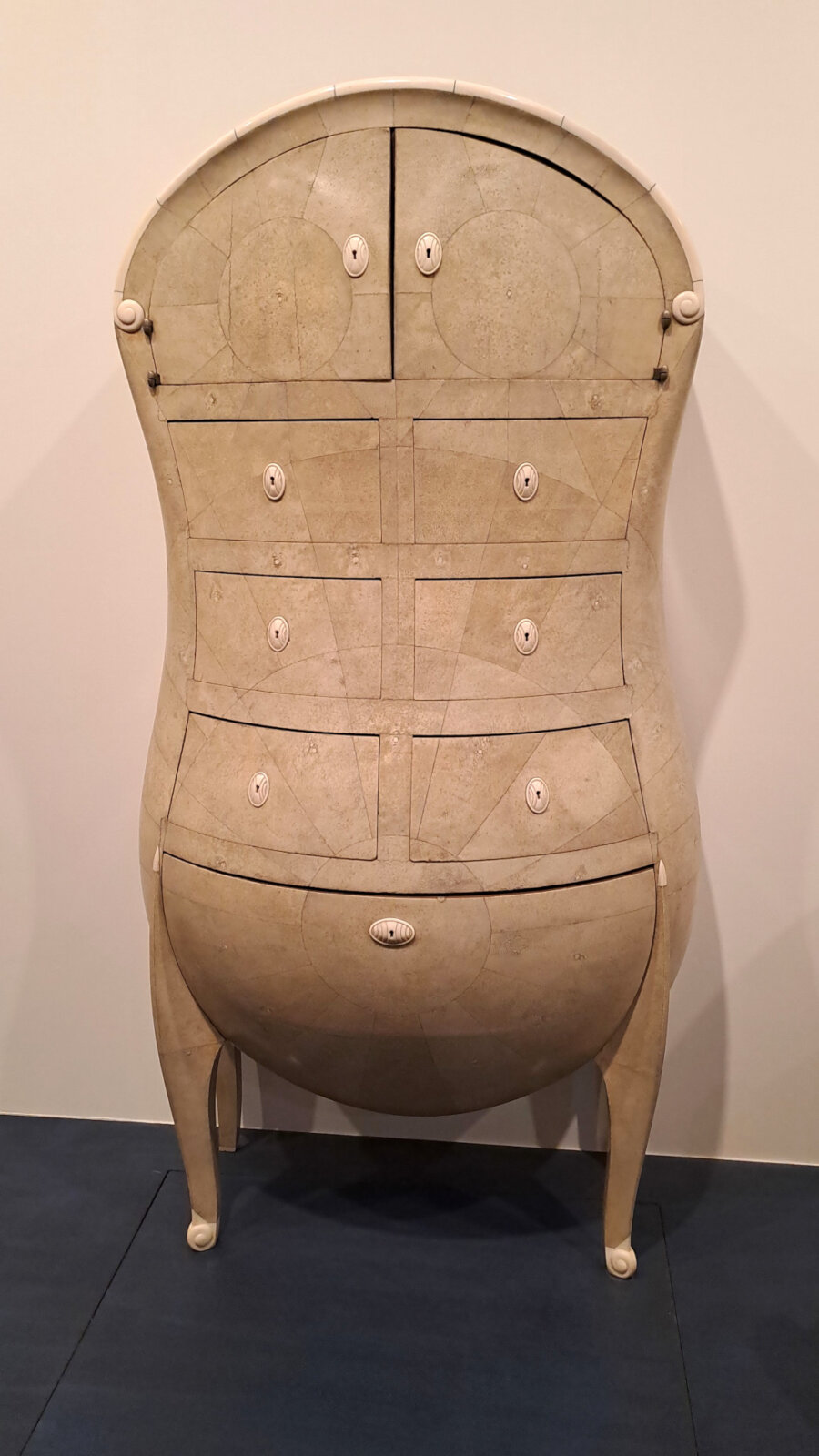
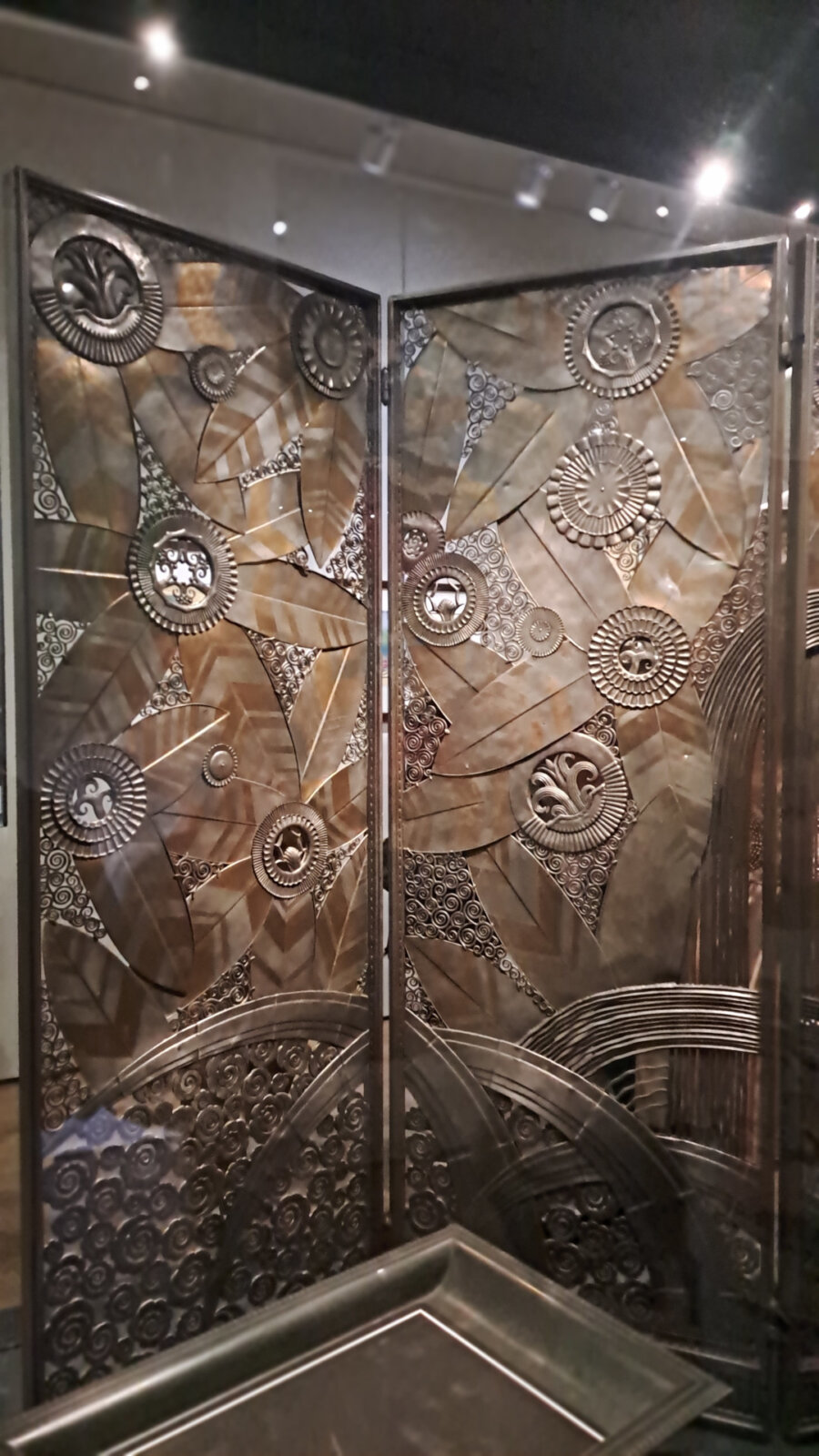

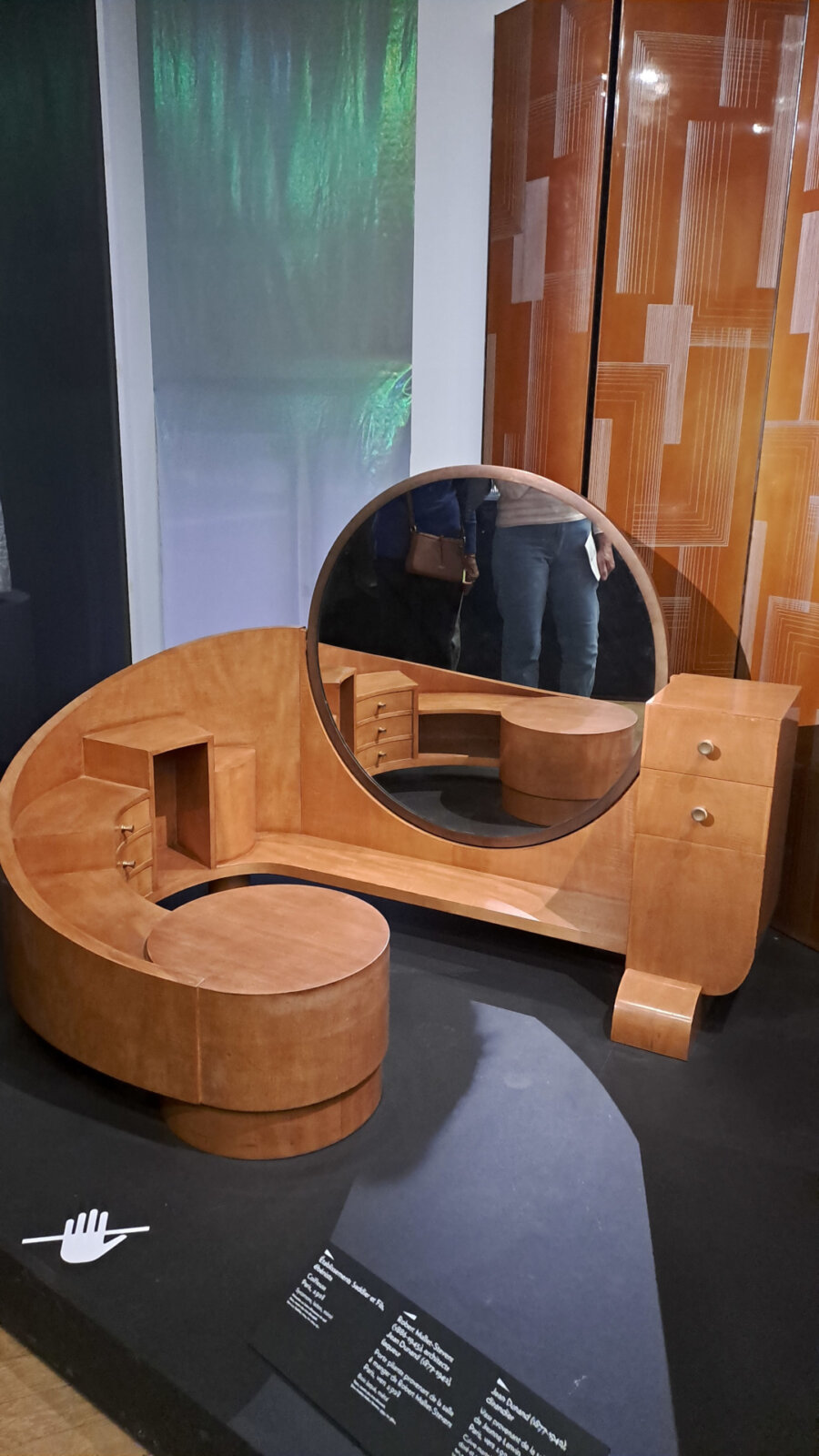


The exhibition immerses visitors in the creative effervescence of the Roaring Twenties and its patrimonial masterpieces. Department stores and their workshops played a decisive role in the dissemination of Art Deco, offering a wide range of objects to a clientele eager for modernity. Prices, however, remained high, revealing the limits of its democratization and the emerging tensions surrounding mass production.
Among the leading figures of the movement, the exhibition presents works by Eileen Gray, cabinetmaker Jacques-Emile Ruhlmann, decorator Jean-Michel Frank, master lacquer artist Jean Dunand, and cabinetmaker Clément Mère. Each country developed its own interpretation of Art Deco, drawing from its aesthetic heritage and cultural identity to shape a distinctive vision of the style.



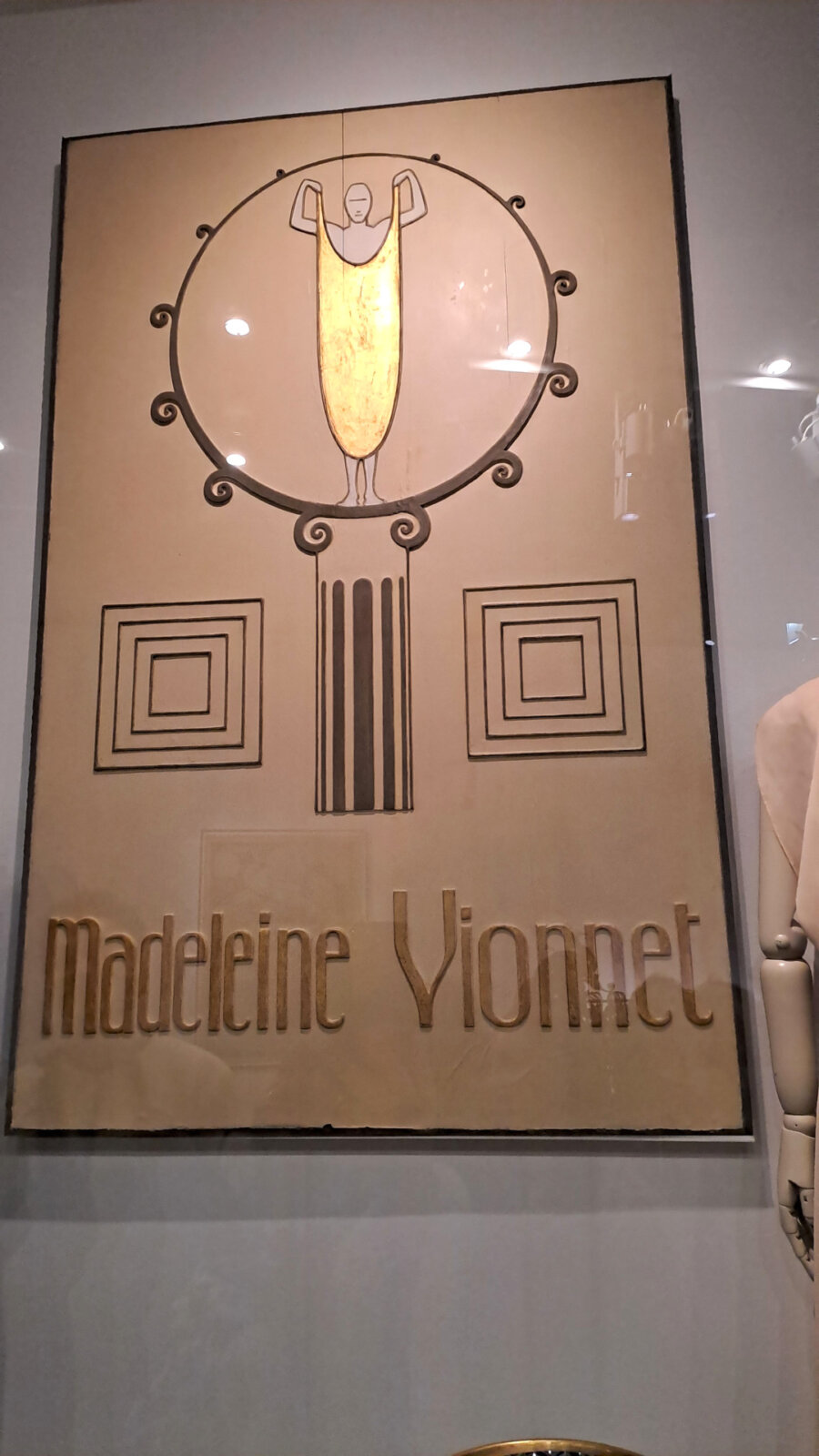
It was through poster artists that Art Deco truly conquered public space and reached a wider audience. Advertising posters entered a golden age: compositions became structured, architectural, almost monumental. Human figures were no longer realistic, but idealized — embodying a bold, forward-looking modernity.






The highlight of the exhibition is the scenography dedicated to the revival project of the Orient Express. The brand commissioned architect Maxime d’Angeac to conceive the train of tomorrow. This project goes beyond heritage revival; it represents a true manifesto of industrial design, where every technical constraint is anticipated and seamlessly integrated.
Materials, finishes, aesthetic choices – everything reflects an exceptional level of rigor. This renaissance brilliantly demonstrates how the most ambitious industrial design can engage in dialogue with the highest levels of craftsmanship.


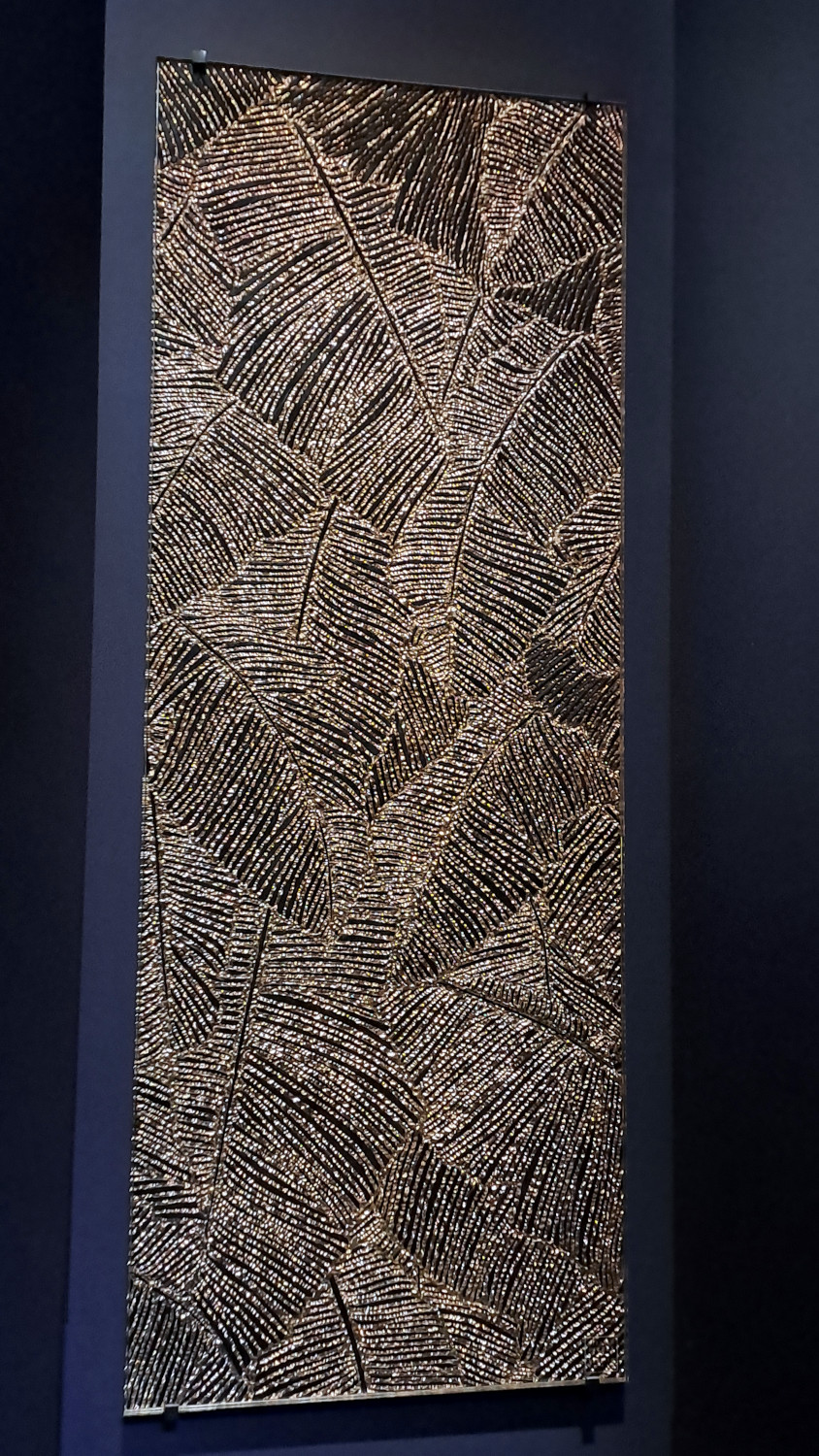


As I walked through this exhibition, I thought to myself: this is why I chose this profession.
For nearly ten years, through RENÉE PARIS, I have been highlighting French excellence in craftsmanship for Luxury Houses and interior architects. I recognize a gesture, a technique, a signature. I translate the work of master artisans into tangible solutions for exceptional contemporary projects.
At my level, with passion and determination, I contribute to the preservation and continuity of French métiers d’art.
If you wish to integrate authenticity, rigor, and singularity into your projects, I would be delighted to accompany you.
To discuss your bespoke project